Best running shoes UK (2026)
The one purchase that decides whether you reach the start line uninjured. Here’s how to choose, and six shoes that keep earning their reputation.
The short version
Most runners want a neutral daily trainer: Brooks Ghost 18 for the safe all-rounder, Hoka Clifton 10 for maximum cushioning, ASICS Gel-Nimbus 27 for high mileage. Ankles roll in or shins complain? Brooks Adrenaline GTS 25. Want one bouncy shoe for everything? ASICS Novablast 6. Go a half-size up, replace around 500 miles.
The only rule that matters
Buy the shoe that fits your foot and your running, not the one with the best review. Three questions decide it: How much cushioning do you want? (Max-cushion for comfort and long miles; moderate for a livelier feel.) Do you overpronate? (If your ankles roll inward and you get shin or knee niggles, a stability shoe helps.) What are you training for? (Daily trainers for most; a lighter shoe only if you’re racing.) Go a half-size up from your everyday shoes — feet swell on long runs — and replace at roughly 500 miles.
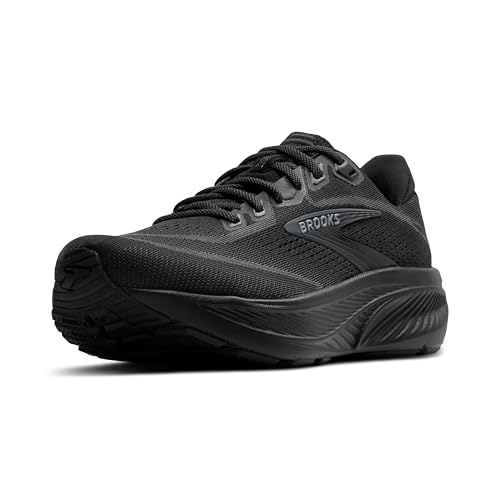
Brooks Ghost 18
- Neutral daily trainer
- Balanced cushioning
- Multiple widths
- ~10mm drop
The safe answer to “what shoe should I buy?” for two decades running: comfortable from the first mile, consistent, durable, and made in widths so it actually fits.
If you’re taking a charity place and starting from scratch, this is the shoe most physios and running-shop fitters point beginners at.
£103.03↓ Lowest price we’ve tracked£103.03–£126.33 since 8 Sep
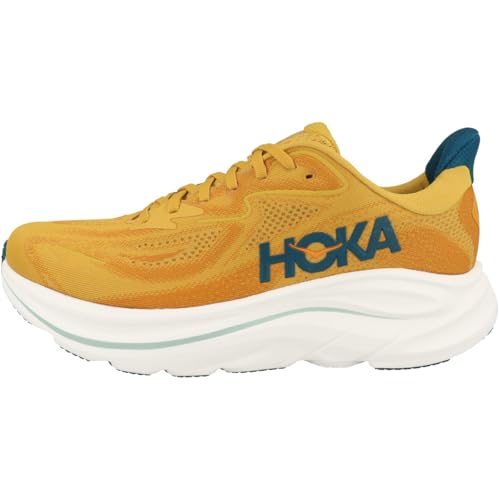
Hoka Clifton 10
- Plush, lightweight
- Roomy toe box
- Rocker geometry
- Great for heavier runners
The famous marshmallow. A tall stack of soft foam that makes long, slow miles feel easy, with a rocker that rolls you forward — and lighter than it looks.
The pick for anyone whose knees and hips complain, and for long training runs where comfort is the whole point.
Check price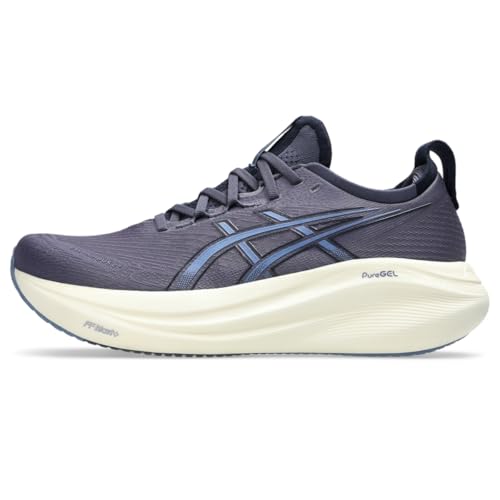
ASICS Gel-Nimbus 27
- Premium neutral cushioning
- Durable outsole
- Accommodating fit
- The beginner classic
The shoe running-shop staff hand new marathoners: protective, dependable, and comfortable enough to wear all day. Not fast, not trying to be.
Ideal if you’re building from 5K to half over a season and want one shoe that just works.
£172.46£115.82–£172.46 since 26 Sep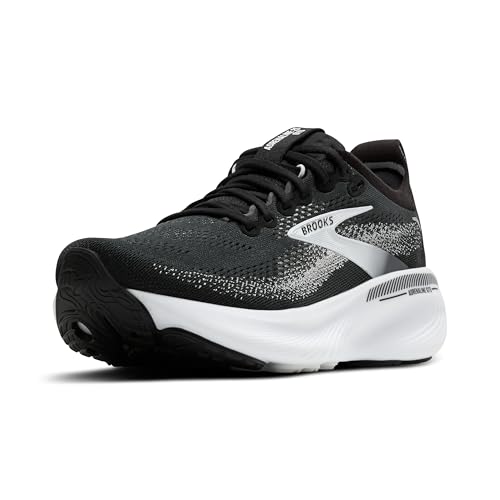
Brooks Adrenaline GTS 25
- GuideRails support
- Firm-but-comfy cushioning
- Reliable for shin/knee issues
- Same fit as the Ghost
If your ankles roll in or you’ve had shin splints, GuideRails gently keep your stride in line without the brick-like feel of old stability shoes.
Same last as the Ghost — so if the Ghost fits but you need support, this is the answer.
£145£118.84–£146.21 since 8 Sep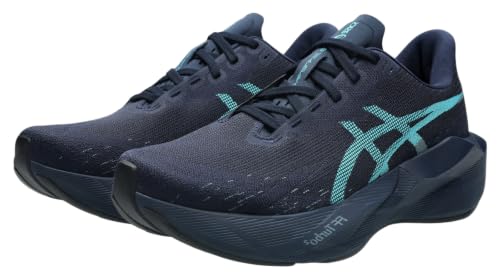
ASICS Novablast 6
- Energetic foam
- Versatile: easy runs to tempo
- Lighter than the Nimbus
- Great value
The daily trainer that’s fun: springy, light, and happy at any pace, so you don’t need a second shoe for faster sessions.
The choice for runners who already have a base and want one shoe to train and race a 10K or half in.
£127.30↓ £21 under its usual price£126–£148.60 since 8 Sep
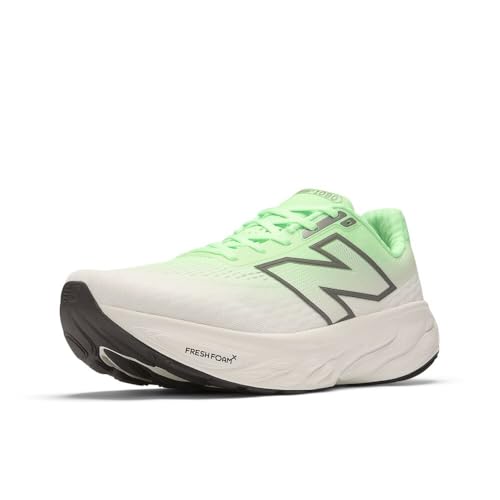
New Balance 1080v15
- Max cushion, soft
- Wide-foot friendly
- Easy & long runs
- Premium upper
New Balance’s comfort flagship: soft, deep cushioning that shines on the long Sunday run, in a fit that suits wider feet.
A second-shoe luxury for marathon builds — save the legs on the long days, race in something lighter.
Check priceGet fitted once
If you can, have a proper running shop watch you run before your first big purchase — a ten-minute gait check tells you neutral or stability, and it’s free. Then buy online in the same model with confidence, and use the training plans to break them in gradually rather than jumping to long runs.
Frequently asked questions
What are the best running shoes for beginners in the UK?
For most beginners a neutral daily trainer with balanced cushioning — the Brooks Ghost, ASICS Gel-Nimbus or Hoka Clifton are the three running shops recommend most, because they fit a wide range of feet and forgive a developing stride.
How do I know if I need stability running shoes?
If your ankles roll inward as you land (overpronation) or you get recurring shin, knee or arch pain, a stability shoe like the Brooks Adrenaline GTS helps. A free gait analysis at a running shop settles it in minutes.
How often should I replace running shoes?
Roughly every 300–500 miles, or when the midsole feels flat and niggles reappear. For a marathon build that can be two pairs in one training block.
Should running shoes be a size bigger?
Usually a half-size up from your everyday shoes — feet swell on long runs and you need a thumb's width in front of the longest toe. Try them late in the day when feet are largest.