Training plans: couch to 5K, 10K, half marathon and marathon
You’ve got the charity place. Now the part that decides whether you enjoy the day: a plan built on running easy, building slowly and staying injury-free.
The short version
Run 80% easy (conversational pace), add no more than 10% distance a week, take a lighter week every fourth. Couch to 5K takes 9 weeks, 5K to 10K another 6–8, a first half needs 12 weeks from a 10K base, a marathon 16–18 from a half base. The long run is the point; the rest supports it. Practise all race-day kit in training.
The principle behind every plan
Run mostly easy, build slowly, rest properly. Roughly 80% of your running should be at a pace where you can hold a conversation — that’s where aerobic fitness is built and where injuries aren’t. Increase weekly distance by no more than about 10%, take a lighter week every fourth week, and treat rest days as training. Nearly every beginner does the opposite: runs everything hard, adds miles too fast, and gets hurt in week six. A heart-rate watch is the honest way to keep easy runs easy.
Couch to 5K (9 weeks)
Three sessions a week, alternating running and walking, building from 60-second jogs to a continuous 30 minutes. The NHS Couch to 5K app is free and excellent — use it. The only gear that matters is shoes that fit. Graduate to a Saturday parkrun as your first “event”; it’s free, timed, and friendly.
5K to 10K (6–8 weeks)
Add a fourth easy run and stretch one run each week by 5–10 minutes until your long run reaches 60–70 minutes. One session a week can include gentle pick-ups (30 seconds faster, 90 seconds easy) to wake the legs up. This is where a charity 10K place becomes realistic for almost anyone.
Half marathon (12 weeks)
Four runs a week: two easy, one with some effort (tempo blocks or hills), one long run building from 8 to 18–19km by week 10, then a two-week taper. Start carrying water and practising fuel once long runs pass 90 minutes. Typical target for a first half: finishing comfortably, not a time.
Marathon (16–18 weeks)
Only start a marathon block with a solid 10K–half base — a charity place taken from scratch in January for April is the classic recipe for a miserable spring. Four to five runs a week, long run building to 30–32km three weeks out, then a full taper. The long run is the whole point; everything else supports it. Practise every piece of race-day kit, drink and food on those long runs, and buy your race shoes with 100+ miles to spare so they’re broken in.
Four books worth more than any gadget
A training plan tells you what to do; these explain why, and get you through the weeks when motivation goes missing. All four are cheap paperbacks and all four are read by real runners, not just reviewed.
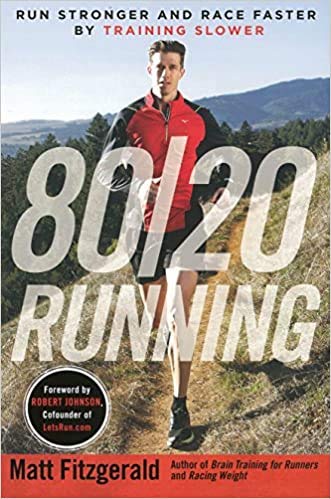
80/20 Running — Matt Fitzgerald
- The easy-running rule, explained
- Plans for 5K to marathon
- Evidence-based
- Paperback
The book that made “run mostly easy” mainstream, with the research behind it and ready-made plans. If you only read one training book, this is it.
It will stop you doing the thing that injures most first-timers: running every session too hard.
Check price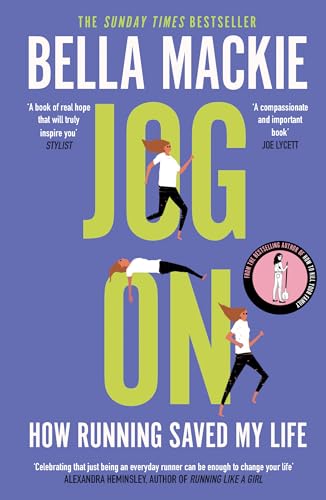
Jog On: How Running Saved My Life — Bella Mackie
- UK bestseller
- Anxiety, running & recovery
- Funny and honest
- Paperback
Not a training book — a book about why you keep going. Mackie started running to cope with anxiety and a divorce, and writes about it with more honesty than any fitness author.
The one to read in week seven when the plan feels endless and the fundraising page has gone quiet.
£6.95£6.05–£6.99 since 8 Sep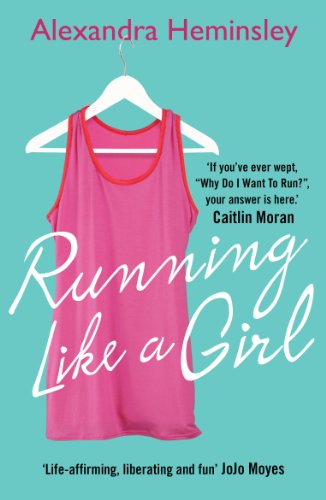
Running Like a Girl — Alexandra Heminsley
- From non-runner to marathoner
- London Marathon story
- Practical & funny
- Paperback
Heminsley went from “can’t run for a bus” to marathons, and this is the warm, practical account of every embarrassment and breakthrough along the way — including her first London Marathon.
Especially good if the charity place is your first ever event.
£9.75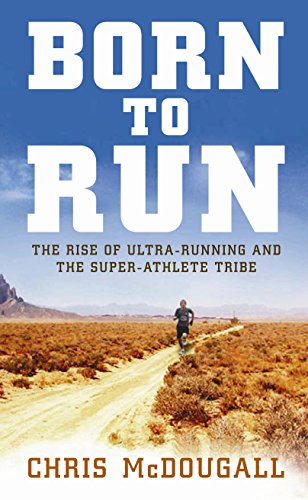
Born to Run — Christopher McDougall
- The book that launched a thousand runners
- Tarahumara ultrarunners
- Gripping narrative
- Paperback
The story of a hidden Mexican tribe of ultrarunners and the science of why humans are built to run. It won’t give you a plan, but it will make you want to lace up.
The one to buy someone who’s wavering about entering.
£16.96↓ £7 under its usual price£11.04–£43.73 since 8 Sep
Injury: the plan-killer
Most running injuries are “too much, too soon” — the fix is the 10% rule, the down week, and easy runs that are honestly easy. Shin pain, knee pain and plantar niggles usually mean back off for a week, not push through; strength work twice a week (squats, calf raises, single-leg work) is the cheapest insurance there is.
Frequently asked questions
How long does it take to train for a charity 10K from nothing?
About 15–17 weeks: 9 weeks of Couch to 5K, then 6–8 weeks building to 10K. Most people can do it with three to four runs a week.
Can I train for a marathon in 16 weeks?
Yes if you already run 3–4 times a week and can manage a comfortable 10K–half. From zero, no — build the base first and take a later race, or switch the place to a half.
What is the 10% rule in running?
Increase weekly distance by no more than about 10% per week, with a lighter recovery week every fourth week. It's the single most effective injury-prevention rule for beginners.
How slow should easy runs be?
Conversational — you should be able to speak full sentences. On a heart-rate watch that's roughly zone 2, around 60–70% of max. Most beginners run easy days far too hard.